Here’s an uncomfortable question: What happens to your firm’s growth if you stop showing up?
For a lot of advisory firms, the reality is that growth slows down or stops the moment you’re not the one driving it. Maybe it’s a health scare, maybe it’s your first real vacation in years, maybe it’s finally picturing what retirement looks like. New clients still come from your relationships, your referrals, and your follow-up. This is financial advisor key person dependency, and it works right up until the firm needs more than you can personally carry. You don’t have to step away for it to show up; a full month of client meetings does the same thing.

Financial Advisor Key Person Dependency Has a Hidden Cost
The hidden cost comes in two parts. Growth slows now, because new business can only move as fast as your calendar does. And the firm is worth less later because a future partner, buyer, or successor is pricing whether or not any of it works without you there.
Referral marketing for financial advisors runs on relationships that only one person holds. Clients refer because they trust you personally, and prospects convert because you followed up with them yourself. That system works fine while the firm is small enough for you to cover it personally.
The trouble starts once the firm grows past what your calendar can carry. Referrals slow down when you get busy with existing clients. Follow-up gets delayed because you’re the only one doing it. Growth becomes tied to how many hours you can personally give to new business, and that number has a limit.
The strongest firms in our client base built something different. They built a reputation and a pipeline that bring business to the firm as a whole. When a firm can attract and convert new business without you in every conversation, it becomes easier to scale and more valuable to a future buyer, partner, or successor. That requires a marketing system that builds visibility and trust for the firm, and turns both into real opportunities.
Real Advisory Firms Have Already Made This Shift
Three of our clients show what happens when growth stops depending on one calendar. Each built a pipeline that keeps producing business even when they’re not the one driving it.
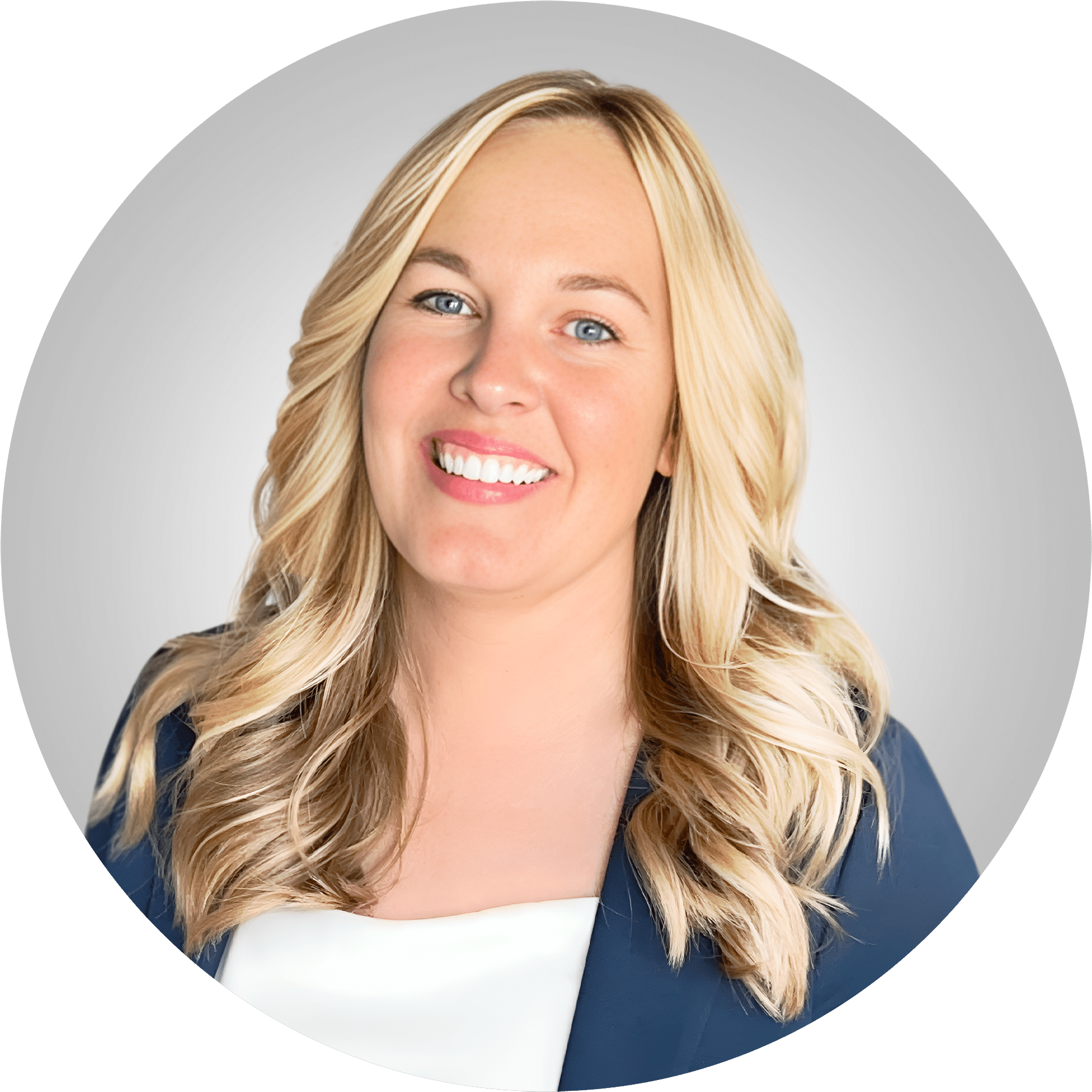
Laurel Wealth Planning is one example. Laura Kuntz has run the firm in Edina, Minnesota for 27 years, and for most of that time, growth came from her own referral relationships. The firm’s website brought in two to three leads a year, and none of them ever became an AUM client. After a website rebuild focused on SEO and AEO, the firm has since generated 72 leads, with $11.5 million in new assets either signed or already funded and another $7.5 million in active conversations. None of that pipeline runs through Laura’s personal calendar.
Legacy Group shows the same pattern from a different angle. One lead followed a webinar nurture sequence for twelve months before booking a call. Most advisors would have stopped following up by month three. The system kept working because it didn’t depend on the founder remembering to reach out, and that lead closed as a $15 million client.
Jared Andreoli of Simplicity Financial in Milwaukee shows what this looks like day to day. His firm grew from about 30 clients to 77 since 2022, including 18 new clients and roughly $108,000 in new annual revenue in 2025. Prospects find him through search and WhiteCoatInvestor.com, about 5 to 6 qualified leads a month, and he spends roughly five minutes a month reviewing the marketing that brings them in.
None of these firms stopped getting referrals. They added a second engine that didn’t depend on them.
If any of this sounds like your firm, you’re in good company. Most of the advisors we work with started exactly here.
See what a full marketing system built for firms like yours could look like.

What This Looks Like for Your Firm This Quarter
Start by mapping every new-client channel your firm has right now and marking which ones run through you personally. That map shows exactly how exposed your growth is to your own calendar.
When new business depends on you personally from the first inquiry through the signed paperwork, that isn’t a workload problem to solve with better time management. Here’s what matters if you ever want to sell, bring in a partner, or hand the firm to someone you trust: business valuation for financial advisors depends heavily on whether the firm’s growth is repeatable without you in the room.
The goal here is building a second channel alongside the relationships you’ve already built: content that ranks for the questions your ideal prospects are searching, a website that converts a visitor into a booked call without you closing it personally, and follow-up sequences that keep working while you’re in client meetings. Firms that plan carefully for who leads next rarely plan as carefully for how new business will find them without you in the room.
Scalable Marketing Starts With a Plan Built for Your Firm
A pipeline that doesn’t depend on your calendar starts with a single strategy call. From there, you’ll see exactly where your growth is concentrated right now, and what a second channel could look like for your firm.
Scalable marketing for financial advisors isn’t a single tactic added on top of what you’re already doing. It’s a connected system: content, website, and follow-up working together so new business keeps moving even on the weeks your calendar is full of client meetings.
We specialize in financial services marketing. That means the content, website copy, and follow-up sequences in a system like this are built with your compliance review and custodian rules assumed from the start, instead of adjusted later when a generic marketing plan gets sent back for revisions.
If your firm’s growth still depends on you personally, book a free strategy call and leave with a clear picture of what it would take to build a pipeline your firm owns outright.

FAQs: Financial Advisor Key Person Dependency
Financial advisor key person dependency is when a firm’s new-client pipeline depends almost entirely on one person’s relationships, referrals, and follow-up, usually the founder. It shows up as steady growth while that person has the capacity to carry it, and a plateau once they don’t.
A buyer, partner, or successor is really valuing whether the firm can keep generating business without you personally running it. If growth stops the moment you step back, that risk gets priced into any valuation, succession plan, or partnership buy-in.
Start by mapping which new-client channels currently run through you personally. From there, build a parallel channel, typically content, a converting website, and structured follow-up, that can generate and nurture leads without your direct involvement in every step.
A marketing system runs alongside personal client relationships rather than replacing them. It gives the firm a second source of new business beyond what one person’s calendar can carry.
Most firms see initial movement within about three to six months, and consistent effort from there is what turns that into a pipeline that keeps producing leads. Our breakdown of SEO and AEO timelines covers what drives that pace for financial advisory firms.
Succession planning for financial advisors addresses who takes over the firm. Reducing key person dependency addresses whether the firm can keep growing regardless of who is running it, which makes any succession plan more valuable.
Book a strategy call and walk away knowing exactly which channels in your firm currently depend on you personally, and which ones the firm could own directly. That starting point shapes what comes next.